Experience the perfect blend of ancient traditions and modern wonders
Beijing, the capital of the People's Republic of China, is a city where ancient traditions meet modern innovations. With a history spanning over 3,000 years, Beijing has served as the political, cultural, and educational center of China for centuries.
Formerly known as Peking, the city is home to some of China's most iconic landmarks, including the Great Wall of China, the Forbidden City, and the Temple of Heaven. These historical sites, along with numerous museums, parks, and cultural institutions, make Beijing a fascinating destination for visitors from around the world.
Today, Beijing is a vibrant metropolis with a population of over 21 million people. It boasts a thriving economy, world-class infrastructure, and a diverse culinary scene that ranges from traditional Beijing cuisine to international fare.
Established 1045 BC
Home to 7 UNESCO World Heritage Sites
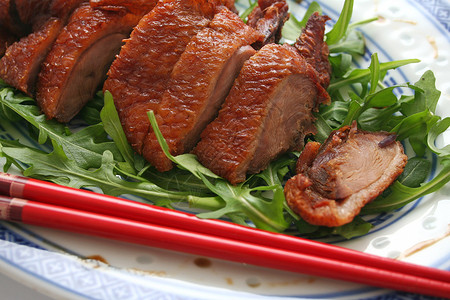
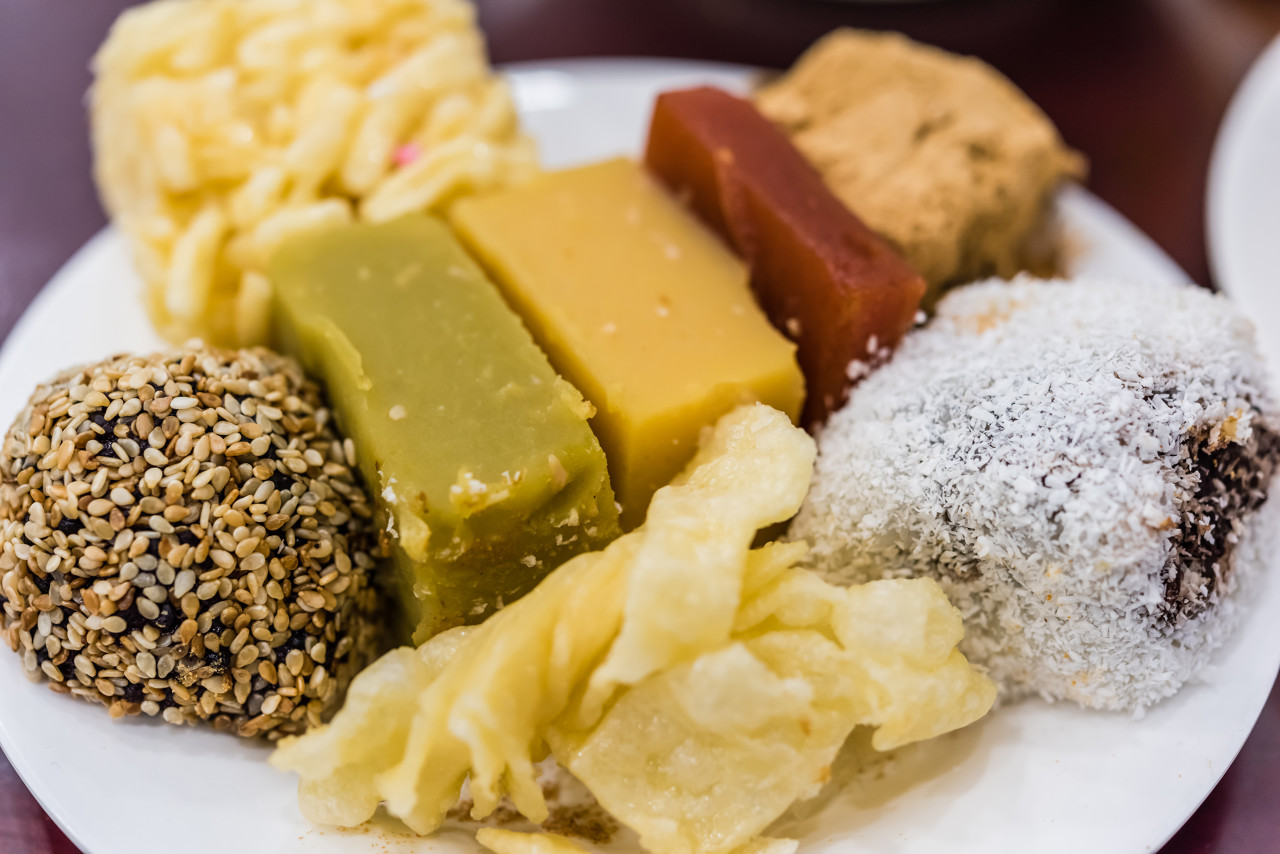
Famous for Peking Duck and traditional snacks
Experience authentic Beijing Opera and folk arts
Skyscrapers, shopping malls, and vibrant nightlife
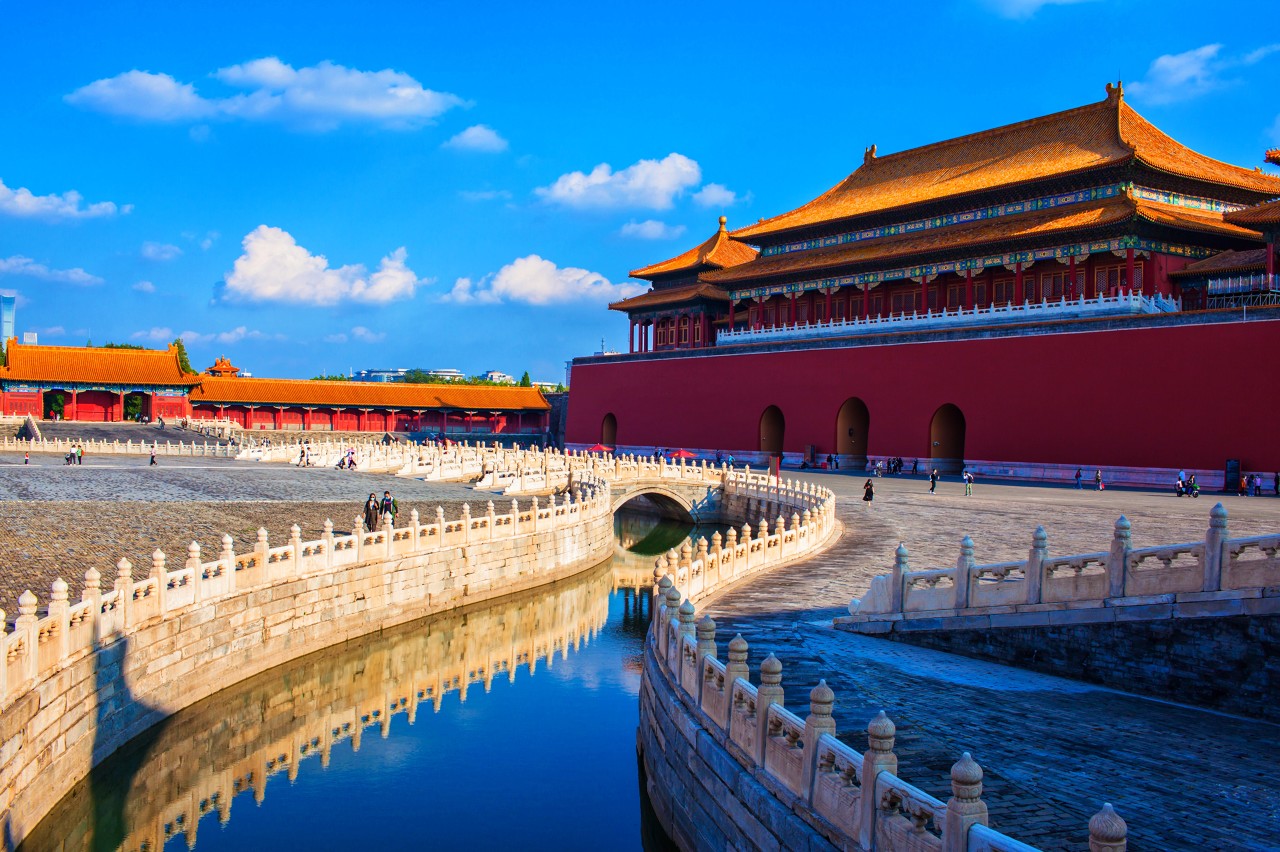
The imperial palace of China's Ming and Qing dynasties, featuring 980 buildings and 9,999 rooms. It served as the home of emperors for nearly 500 years.
One of the Seven Wonders of the World, the Great Wall stretches over 13,000 miles. The Badaling section near Beijing is the most popular for visitors.
A complex of religious buildings where emperors of the Ming and Qing dynasties prayed for good harvests. Notable for its magnificent architecture and perfect acoustics.
A vast royal garden featuring lakes, pavilions, and temples. The Long Corridor, with its 14,000 painted scenes, is a highlight of this UNESCO site.
A historic area with three connected lakes, traditional courtyard houses, and ancient temples. It's also known for its lively hutongs and nightlife.
A traditional commercial street dating back 580 years. It features historical architecture,老字号 shops, and a wide variety of Beijing snacks and souvenirs.
Beijing cuisine, also known as Jing cuisine, is one of the most influential culinary traditions in China. It combines flavors from northern China with imperial cuisine developed over centuries in the royal kitchens.
The cuisine is characterized by its emphasis on color, aroma, and taste, with dishes often featuring rich sauces and careful presentation. Beijing's culinary scene offers everything from luxurious imperial banquets to humble street food.
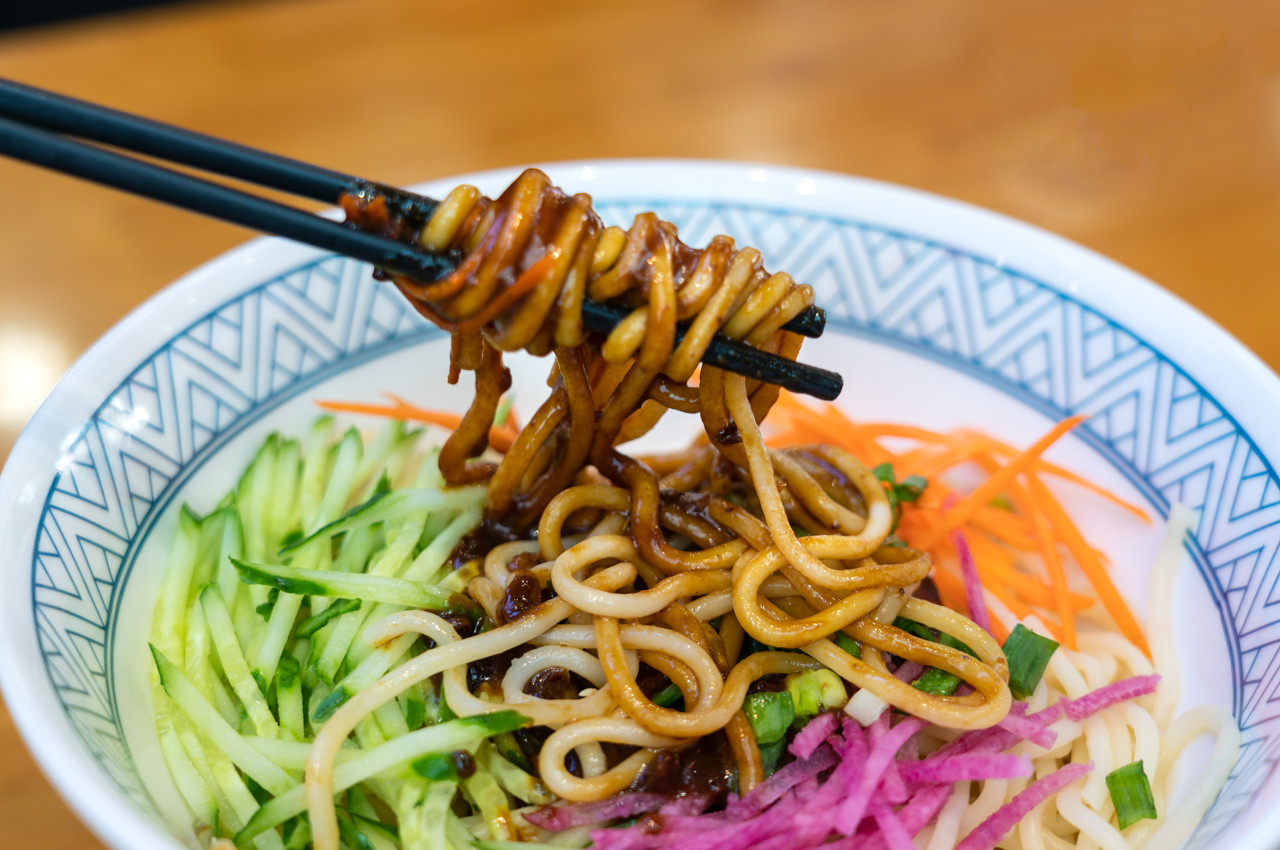
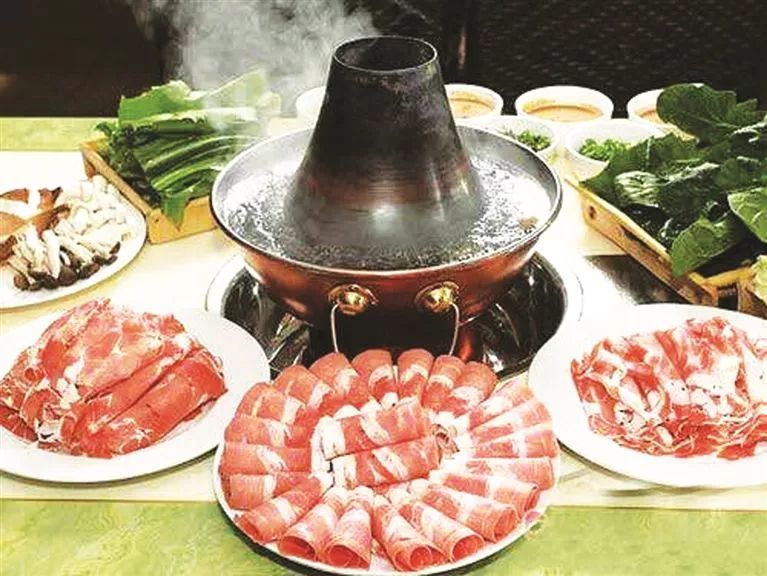
No visit to Beijing is complete without trying the iconic Peking Duck, but the city has much more to offer, including zhajiangmian (noodles with soybean paste), lamb hotpot, and a variety of traditional snacks.
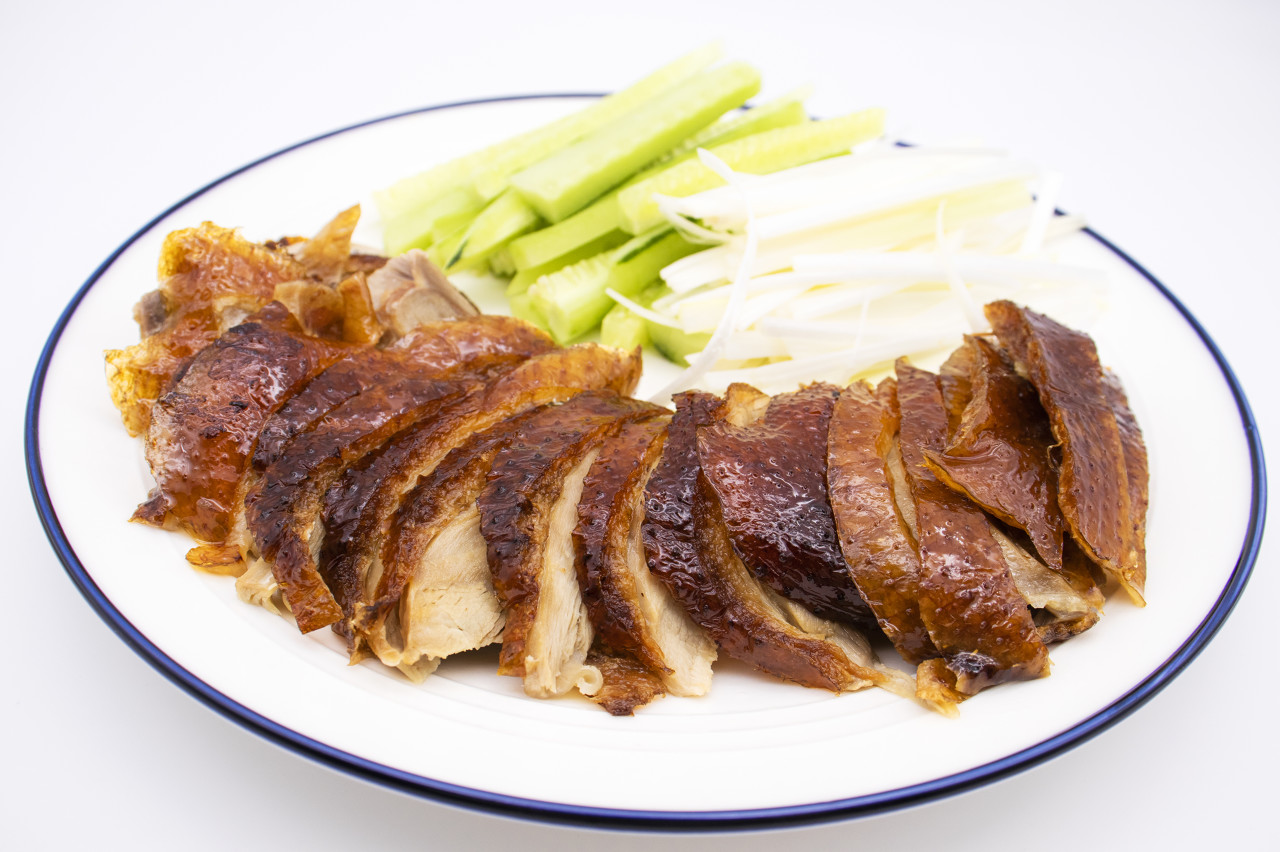
Crispy skin, tender meat, served with pancakes, scallions, and hoisin sauce.
Hand-pulled noodles with soybean paste sauce, ground pork, and fresh vegetables.
Lamb hotpot with a rich broth, served with various meats, vegetables, and dipping sauces.
A variety of traditional snacks including jiaoquan, douzhi, and lvdagunr.
Located in the heart of Beijing, this street offers a wide variety of Chinese snacks from all over the country.
A historic hutong street with traditional architecture, boutique shops, and numerous restaurants and cafes.
Known as "Ghost Street," it's famous for its late-night dining scene and spicy Sichuan cuisine.